From Localhost to Global Scale: The Guide to Rapid SaaS Deployment
There is a joke in the developer community: "It works on my machine." "Then we'll ship your machine," replies the manager.
In reality, the gap between localhost:3000 and https://your-saas.com is a canyon filled with build errors, environment variable mismatches, and database connection timeouts.
For an indie hacker or a solopreneur, DevOps is the ultimate distraction. You didn't start a business to configure Nginx reverse proxies or manage Docker containers. You started it to solve problems for users.
This guide covers how to deploy SaaS apps fast, ensuring your application is performant, secure, and scalable from Day 1.
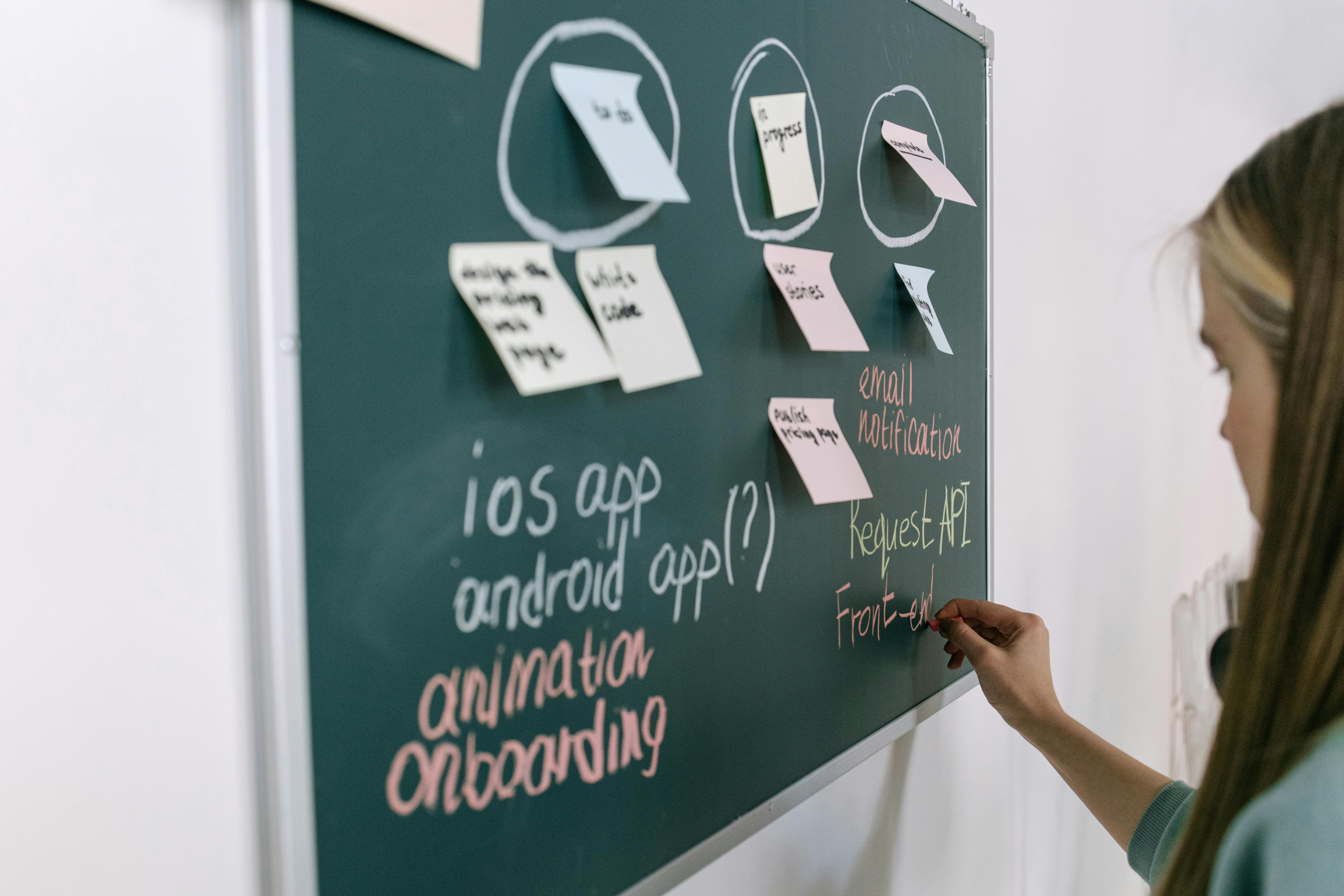
The "Production Gap": Why Deployments Fail
Writing code is creative; deploying code is bureaucratic. Here are the common hurdles that turn a 5-minute deploy into a 5-hour debugging session:
- Environment Variables: Forgetting to add your Stripe keys or Database URI to the production server.
- Build Failures: Next.js is strict. A type error that you ignored in development will crash the build in production.
- Database Whitelisting: Your local IP can access MongoDB, but can your Vercel serverless function access it?
- SEO Configuration: Your app runs, but Google indexes it as "Untitled App" because you forgot dynamic meta tags.
To bypass these issues, you need a Next.js production-ready template that anticipates them.
The Holy Trinity of Modern SaaS Deployment
If you want speed and reliability, there is one stack that stands above the rest for 2025: Vercel + Next.js + MongoDB Atlas.
1. Vercel (The Infrastructure)
Vercel isn't just a host; it is the native environment for Next.js. It handles global content delivery (CDN), serverless functions, and image optimization automatically. With a Git-based workflow, you push to GitHub, and Vercel builds and deploys instantly.
2. MongoDB Atlas (The Data)
Atlas provides a fully managed database on the cloud. It scales automatically. If your SaaS goes viral overnight, Atlas handles the load without you needing to provision new servers.
3. SassyPack (The Glue)
This is where SassyPack deployment automation shines. We don't just give you React components; we give you a repository structure optimized for Vercel.
Going Global: Whether you are targeting customers in New York or New Delhi, your architecture needs to be ready. Check out our guide on how to launch global SaaS with SassyPack to understand region selection and latency.
SEO: The Part of Deployment You Forgot
Deployment isn't just about the server running; it's about the world finding you.
A common mistake with custom builds is launching without proper Open Graph (OG) tags, sitemaps, or robots.txt files. You launch, you post on Twitter/X, and the link preview is a blank grey box. No one clicks.
SassyPack solves this with a pre-configured SEO module.
- Dynamic Metadata: Titles and descriptions update automatically based on the page content.
- Smart Sitemaps: Automatically generates
sitemap.xmlso Google can crawl your pages. - Rich Snippets: JSON-LD structures are ready for your blog and product pages.

The 10-Minute Deployment Workflow
Here is how easy deployment should be if you are using the right tools.
Step 1: The Audit
Run npm run build locally. If this fails, it will fail in production. SassyPack is typed strictly with TypeScript to catch these errors while you code, not after you push.
Step 2: The Push
Commit your code to a private GitHub repository.
git push origin main
Step 3: The Connection
Go to Vercel. Click "Add New Project." Import your repository. Vercel detects it is a Next.js app and configures the build settings automatically.
Step 4: The Secrets
Copy the contents of your local .env file and paste them into Vercel’s "Environment Variables" section.
Step 5: Launch
Click "Deploy."
In roughly 90 seconds, you will have a live SSL-encrypted URL. If you need a refresher on the broader strategy, read how to launch a SaaS fast.
Scaling: What Happens Next?
The beauty of this setup is that it scales. You start on the Vercel free tier (which is generous). As you grow to 10,000 users, you simply upgrade your plan. You do not need to migrate to AWS EC2 or manage Kubernetes clusters unless you become massive.
Rapid deployment solutions for SaaS are about removing friction. You should not need a DevOps engineer to launch an MVP.
Conclusion: Your Job is to Ship
Code that sits on your hard drive has zero value. Code that runs in production changes lives (and makes money).
Don't let infrastructure intimidation stop you. With SassyPack, the bridge between your laptop and the world is built for you.
Ship your app today. Grab the SassyPack starter kit and experience the joy of a one-click deploy.